
 kirkusreviews.com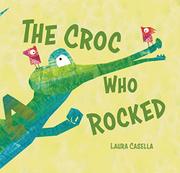
One morning, “in a very, very quiet
part of the jungle,” some crocodile eggs “softly” hatch—except for one “very
happy little croc” who snaps his jaws as he sings and dances.
Not everybody understands that when
the croc hears that internal beat, he needs to move his feet. The frog, the
monkey, and the snake all tell him to “Shhhhh!” Wee Croc is sad. Eventually he
grows into a large croc sadly swimming day after day. His life changes when two
birds land on his tail; they offer to clean his teeth by eating the food stuck
in them. When Croc explains how sad he is, the birds offer to teach him “their
tweety song” in exchange for some food. In an instant, Croc has both music and
new friends (and cleaner teeth, but this detail receives no notice). Now that
he has a song to tweet, he can teach it to the other animals. It’s fine as long
as he tweets, but when he starts snapping those jaws again, they run away. But
the other crocs in the river flock around and sing his song with him all night
long. Casella’s expressive pictures dance appealingly all around the page, as
does Croc’s jazz-infused song, set in a faux hand-lettered typeface.
Unfortunately, the book’s message seems a bit muddled. Are animals (and people)
only to be friends with their own kind?
Upbeat and offbeat at the same time.
(Picture
book. 3-6)





Add comment