
 kirkusreviews.com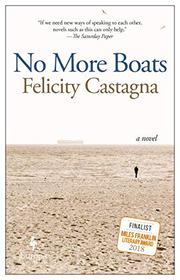
An Italian immigrant to Australia becomes more native than the
natives, to unhappy ends.
When we meet him at the outset
of Sydney-based novelist and teacher Castagna’s slender but rich story, Antonio
Martone is “not yet the Antonio
Martone who becomes so famous for a brief moment in history,” a spasm of
protectivist protest against those who are arriving after him, in this case
from a Norwegian container ship that is carrying a load of 438 refugees. Antonio
has been struggling all his life to make a home far from poor, landslide-prone
Calabria, so much so that when his daughter, Clare, shows him a class project,
a collage of Italy, he protests, “We’re Australian. I’m Australian.” So
effective is his identification with his new country that no one really blinks
when, grieving at the death of a friend and fellow immigrant, he begins to pass
his hours with the nationalists and skinheads in the neighborhood. His wife and
children are puzzled but busy with lives of their own and certainly unable to
predict the course that Antonio’s version of Australianness will take.
Meanwhile, Clare, dissatisfied with her job as a bookstore clerk but not sure
what else awaits her, passes her time with a former student, a Vietnamese
immigrant, who, pondering the fates of the 438 newcomers, says, “You know my
community, we were refugees too. But, you know, not like them, as my
mother would say.” Quietly, and without ever making much of a fuss in this
understated character study, Castagna seems to suggest that nationalism is a
kind of madness that implicates everyone it touches, and never for the
better.
A lightly spun story that, while never preachy or didactic, is
full of timely lessons for those pondering the rise of me-first nationalism
throughout the world.




Add comment