
 kirkusreviews.com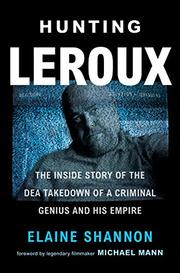
A methodical history of a pioneer
of cybercrime who founded an international empire based on the sales of drugs,
armaments, and technology and on the currency of fear and murder.
It’s unfortunate that Shannon’s (Desperados:
Latin Drug Lords, U.S. Lawmen, and the War America Can’t Win, 1988, etc.)
account of the criminal genius Paul Le Roux appears in the same season as Evan
Ratliff’s Mastermind, which covers just the same ground and is the
more vigorously written of the two. Still, Shannon opens on a smart note given
current events: She contrasts the old-school criminal empire of Joaquin Guzmán,
aka “El Chapo,” with the new one of Le Roux, who “has introduced the principles
of twenty-first century entrepreneurship to the dark side of the global
economy”—and, in the process, “is changing everything.” Transnational in
nature—for Le Roux was born in what was then Rhodesia and has lived, it seems,
just about everywhere since—the postmodern, postindustrial criminal empire Le Roux
founded resisted law enforcement simply by not having a country of its own: a
murder in Manila here, a drug deal in Hong Kong or Pyongyang there, bank
transfers in Dubai and London and Jerusalem there, and it all made it difficult
to keep tabs on. Le Roux’s model wasn’t one of loyal Mafia foot soldiers but of
disposable—literally—contractors, whether renegade bikers or well-trained
mercenaries or mild-mannered accountants. Shannon is very good on procedural
matters and especially on how the American Drug Enforcement Administration
pieced together its multiagency, multigovernmental case against Le Roux. Among
her sources are undercover DEA agents and informants, including one who “posed
as a Colombian cartel representative in order to bring Le Roux to justice.” That
story is fascinating, especially as government agents figure out how to lure
their target—or, failing that, arrange for him to be dispatched in some distant
place, even if “U.S. military and NATO rules of engagement forbade summary
executions of noncombatants.” For sizzle, then, one wants to read
Ratliff’s book first, but there’s plenty of steak here.
A painstaking, fascinating account
of crime and punishment.



Add comment