
 kirkusreviews.com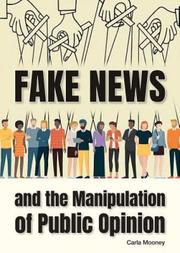
An abbreviated overview of a hotly
debated issue.
“Fake
news,” is defined here as “fabricated news or information that is meant to be perceived
as factual,” a definition that carefully excludes unintended errors, biases, or
satire. It’s hardly a new complaint, but
this account examines few instances outside the 2016 U.S. elections and mostly
ignores print and broadcast media. Technological innovations and widespread use
of social media have dramatically increased disinformation’s reach and impact;
focusing on online phenomena permits tangents on algorithms creating
ideological bubbles, harvesting of personal data, precise targeting of
audiences, and strategic releases of hacked information. Partisan politics,
foreign (mostly Russian) interference, and greed for ad revenue are presented
as the chief villains, allowing brief digressions to recent cases in France,
Great Britain, Kenya, and India; the last is the only noted example with
violent results despite similar incidents elsewhere (including the U.S.).
Indeed, while the earnest, meandering, and repetitive text adopts an ominous
tone, it offers little evidence for any concrete consequences beyond the
erosion of public trust. Proposed solutions include hopeful predictions for
artificial intelligence and vague assurances from tech companies, but the
author leans heavily on individual responsibility to become educated and remain
skeptical and vigilant. Appendices provide a useful rubric for evaluating
information and list some reputable fact-checking sites; the index is
scattershot and sloppy.
A subject much in demand, but there
are better resources available. (source notes, appendices, further reading,
index) (Nonfiction. 12-16)





Add comment