
 kirkusreviews.com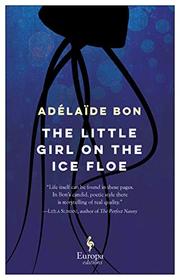
Based on the author’s personal
experiences, this debut novel traces in harrowing detail the emotional odyssey
of a girl who is raped at age 9.
It’s hard to say if this riveting
text is a novel in the strictest sense of the word, but the power of the
material makes that a minor quibble. Bon captures from the first pages the
eerie distancing experienced by a victim of sexual violence. In the aftermath
of the assault in the stairwell of her family’s Paris apartment building,
weeping Adélaïde can only nod or shake her head as her concerned parents
question her. “She’s not really there anymore,” a sensation that continues in
the police station where she is taken to file a criminal complaint. In the
decades that follow, she tries to numb herself with binge-eating, frantic
masturbation, alcohol and drugs, but the terrifying, half-submerged memories
she calls “jellyfish” won’t leave her alone. Years of psychotherapy help some,
but too often in the midst of sessions she finds herself “small and lost and
frozen, standing in the middle of a vast white expanse, waiting. She calls this
place, my little girl on the ice floe.” The sense of alienation from her own life is made palpable in
the interplay throughout the novel between a third-person account of events and
the occasional incursion of anguished first-person outbursts. In 2012, when
Adélaïde is pregnant with her first child, she learns that a petty thief has
been identified from a DNA sample as the serial rapist of dozens, probably
hundreds of children over a period of 20 years. The prospect of testifying at
his trial finally unlocks Adélaïde’s recollection of the worst moment in her
rape, followed by a cogent neurological explanation of why it can take the
survivors of violent crimes many years to remember the details of their abuse. The
conclusion shows justice only partially served in a society that, in the
author’s persuasive depiction, remains sexist and inclined to blame women.
Vividly conveys the survivor’s
emotions of shame, rage, and fear but also offers—slowly, tentatively—hope for
healing.






Add comment