
 kirkusreviews.com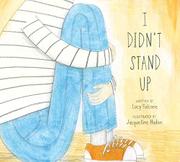
An update of the (originally)
anti-Nazi poem of protest, reframed as an anti-bullying message.
An optimistic finish robs this
litany—modeled on the anonymous and often misquoted lines beginning “First they
came for the communists…”—of its profound cautionary power, but the point
remains, and the tally of afflicted groups is particularly cogent for younger
audiences. Following “First they went after Jamal. / But I’m not black— / so I
didn’t stand up for him,” the unnamed narrator shies away from the sight of
peers either looking sad or being harassed or menaced by a racially diverse
quartet of sneering fellow students. Victims include a “geek,” a gay boy, a fat
kid, a girl wearing hand-me-downs, an immigrant, a Muslim child, a child using
forearm crutches, and Alexis (“she used to be Alex”). In her diaphanous, yellow-tinged
illustrations, Hudon sets each scene in school or on a playground and draws
stiffly posed figures with oversized heads and eyes to emphasize through facial
expressions the emotional impact of bullying. When at last “they” come for the
unseen speaker, all of the previous victims line up shoulder to shoulder: “We
all stood together.” Falcone follows this rather self-serving turn with a
closing note quoting the original (with “communists” replaced by the less-controversial
“socialists”) and directing a nod to Martin Niemöller, the minister and peace
worker who made it famous.
It doesn’t stick the landing, but
it’s nevertheless a sobering insight with plenty of history on its side. (Picture
book. 7-12)






Add comment