
 kirkusreviews.com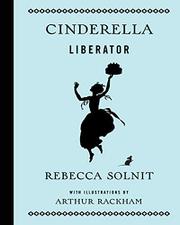
With a little help from her fairy
godmother, Cinderella takes care of business while learning how to be her “best
and freest” self.
With the avowed intention of
creating a “kinder” vision of the familiar tale that also gets away from the
invidious notion that marrying (preferably marrying up) is the main chance in
life for women, Solnit (Call Them by Their True Names, 2018, Kirkus Prize winner in nonfiction) offers younger readers this revisionist Cinderella. She arrives at the
ball attended by transformed “footwomen,” befriends Prince Nevermind (who
really just wants to be a farmer), and, while her stepsisters take up careers
in fashion, goes on to open a cake shop where she harbors refugee children. The
author’s efforts to get away from sexist tropes and language aren’t entirely
successful (one stepsister becomes a “seamstress,” for instance), and an
analytical afterword in cramped type that rivals the tale itself for length
further weighs down the wordy, lecture-laden narrative. Still, readers ready to
question the assumptions innate in most variants, European ones in particular,
will find this one refreshing. The carefully selected Rackham silhouettes,
first published a century ago, invest “Ella” with proactive spirit while (as
the author notes) sidestepping racial determinations (in skin color at least,
if not hair texture).
A story with a serious claim to
universality again proves that it can bear a carriage full of messages.
(lengthy source note) (Folktale. 8-10)



Add comment