
 kirkusreviews.com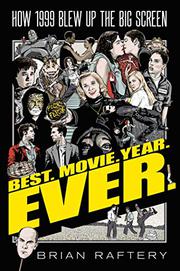
An exploration of a significant year in late-20th-century film.
In a year shrouded in worldwide concerns over Y2K, filmmakers
“shared one unspoken trait,” writes Raftery (High-Status Characters: How the
Upright Citizens Brigade Stormed a City, Started a Scene, and Changed Comedy
Forever, 2013, etc.): the “ambition to make something no one had seen
before.” Whether it was the greatest year ever is highly debatable (likely
not), but the author, thanks to more than 100 interviews with key players,
offers a spirited celebration of the year’s movies. As Sam Mendes, creator of
the “dark, suburban fantasy” American Beauty, told Raftery, “it’s
astonishing how many different genres were being redefined.” The author
examines more than 30 films, mostly American, from January’s “jumpy, star-free
vomit comet,” The Blair Witch Project, to December’s
“movie-ist movie of the year,” Magnolia. He does a fine job taking
us behind the scenes to reveal how the films were made, actors chosen, and film
scores written. In addition to the blockbusters—Star Wars: Episode One—The
Phantom Menace, The Sixth Sense, Three
Kings—the author discusses smaller films, including Iron
Giant, The Best Man, and The Wood. Tom
Twyker said his German film, Run Lola Run, was about “breaking the
chains of our existence.” The Matrix, Raftery writes, tried “to
make sense of the confusion and unease that were beginning to take hold in the
late nineties.” Office Space “was intended to reflect the new
decade’s collective middle-class malaise” and had a “lucrative afterlife” in
DVD sales. Though he doesn’t make a fully convincing case for the importance of
1999 in film history, Raftery offers plenty of interesting trivia—e.g., Brad
Pitt’s then-girlfriend, Jennifer Aniston, shaved his head for Fight
Club. Other interviewees include Edward Norton, Reese Witherspoon, Kirsten
Dunst, Steven Soderbergh, Sarah Michelle Gellar, Taye Diggs, and “the man who
played Jar Jar Binks.”
Fun, light entertainment for devoted moviegoers.



Add comment