
 kirkusreviews.com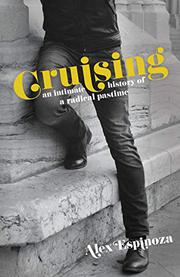
The heady history of a clandestine
gay practice.
In this enthusiastic exploration of
the “art” of gay cruising, Espinoza (The
Five Acts of Diego León,
2013, etc.) provides a unique perspective on this furtive practice of coded
signals and physical gestures geared toward spontaneous desire and
availability. The author begins with the origins of cruising in early
civilizations, when gay men began seeking each other out for covert dalliances
unbeknownst to those around them. Its evolution continued as ancient Rome and
Renaissance Florence embraced a sexual free-for-all atmosphere structured
around the rules of dominant masculinity. Espinoza, a talented tour guide,
describes the public toilets of 1700s London and frequently raided “Molly
houses” as well as such 20th-century resources as Bob Damron’s Address
Book, which served as “a
gay yellow pages, a directory listing all the gay friendly bars and places
strewn across the United States where men could meet and hook up.” The AIDS epidemic
stifled some of the spirit of the defiant post-Stonewall brotherhood before
online cruising, chat rooms, and mobile apps restored the passion and the
practice. The author incorporates intriguing profiles of former cruisers into
his research material, creating a narrative that puts human faces to a subject that
may seem bizarre to some readers and captivating to others. Espinoza weaves
into the historical material vivid recollections from his own coming-of-age as
a closeted Mexican youth “navigating a culture that encouraged hypermasculinity
and patriarchy.” Ultimately, cruising unleashed in the author a life-changing
self-assurance. Espinoza’s research is richly referential, as he cites the Al
Pacino film Cruising; the grisly
agenda of serial killer Jeffrey Dahmer, who cruised bars and alleyways to
locate his male victims; and George Michael and former senator Larry Craig,
both busted in men’s bathrooms. Espinoza candidly inserts himself into this
striking examination with memories of his own cruising adventures and segments
of stimulating commentary on gay liberation and the tenets of stealthy
sexuality.
Provocative, curious, and
noteworthy.





Add comment