
 kirkusreviews.com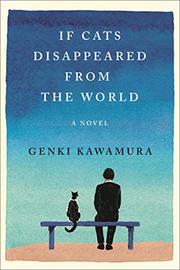
A lonely postman learns that he’s about to die—and reflects on
life as he bargains with a Hawaiian-shirt–wearing devil.
The 30-year-old first-person narrator in filmmaker/novelist
Kawamura’s slim novel is, by his own admission, “boring…a monotone guy,” so
unimaginative that, when he learns he has a brain tumor, the bucket list he
writes down is dull enough that “even the cat looked disgusted with me.” Luckily—or
maybe not—a friendly devil, dubbed Aloha, pops onto the scene, and he’s willing
to make a deal: an extra day of life in exchange for being allowed to remove
something pleasant from the world. The first thing excised is phones, which
goes well enough. (The narrator is pleasantly surprised to find that “people
seemed to have no problem finding something to fill up their free time.”) But
deals with the devil do have a way of getting complicated. This leads to
shallow musings (“Sometimes, when you rewatch a film after not having seen it
for a long time, it makes a totally different impression on you than it did the
first time you saw it. Of course, the movie hasn’t changed; it’s you who’s
changed”) written in prose so awkward, it’s possibly satire (“Tears
dripped down onto the letter like warm, salty drops of rain”). Even the
postman’s beloved cat, who gains the power of speech, ends up being prim and
annoying. The narrator ponders feelings about a lost love, his late mother, and
his estranged father in a way that some readers might find moving at times. But
for many, whatever made this book a bestseller in
Japan is going to be lost in translation.
Jonathan Livingston Kitty, it’s
not.






Add comment