
 kirkusreviews.com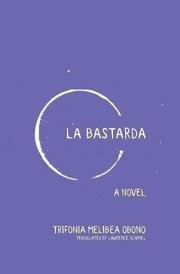
A young woman chooses to be her true self rather than conform in
Equatorial Guinea.
Okomo is an orphan. Her mother died during childbirth, and no
one will tell the teenager who her father is. She lives with her maternal
grandparents, both of whom are eager for her to get married. The only member of
her family who truly loves her for herself is her uncle Marcelo. Both Okomo and
Marcelo feel repressed by village life and the strict requirements of Fang
culture. Marcelo is expected to impregnate a woman of their tribe cursed with
an infertile husband. Okomo is expected to enrich her family by finding a
wealthy husband. But Marcelo is attracted to men, and Okomo loves a girl named
Dina. The Fang call Marcelo a “man-woman,” and he is finally exiled to the
forest for his sexuality. As for Okomo, there is no Fang word for her. “It’s
like you don’t exist,” Marcelo tells her. The setting sets this apart from most
gay fiction published in the United States. Okomo is growing up in the 2000s,
but her sexual coming-of-age echoes similar stories from much earlier American
eras. Okomo isn’t just an oppressed minority; she is something that most of the
people around her have never imagined. She doesn’t even understand herself
until she meets others like her. Obono’s storytelling style is straightforward
and her language is unadorned. This gives her slender novel the feel of a
folktale, but an inverted one. While folktales most often reinforce social
norms, this novel subverts them. The forest here is not a place of danger; it
is a place of refuge for those who have no place in their community. The
heroine’s true family is, ultimately, her family of choice, and she doesn’t
embrace her true nature by claiming her birthright or fulfilling her prescribed
role but rather by accepting herself fully: as a bastarda—the child of an
unmarried woman—and as a lesbian.
This is a unique contribution to LBGTQ literature and the first
book by an Equatorial Guinean woman to be translated into English.






Add comment