
 kirkusreviews.com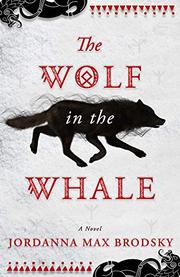
A young Inuit shaman must battle the elements, the gods, and
violent strangers in order to survive.
Omat’s family is in danger. Years ago, they lost their best
hunters and since then have routinely faced starvation. New children aren’t
being born, and they are geographically isolated at “the edge of the open sea”
in what is now known as the eastern Canadian Arctic. Even though Omat is a
powerful angakkuq, or shaman who is guided by animal spirits and is capable of
taking their form, it is not enough to put food in the bellies of the small
band. When, miraculously, another group of Inuits come upon their camp, Omat’s
family believes they may be the answer to their prayers. But Omat is put at
risk by the new band’s insistence that she live as a woman; they reject Omat’s
claim that she is uiluaqtaq, one who is neither woman nor man. Little does Omat
know that an even more dangerous risk awaits: an encounter with Norse explorers
that will change her life forever. Brodsky (Olympus Bound, 2018, etc.)
displays the same meticulous research and obsession with folklore and mythology
that marked her Olympus Bound trilogy, about ancient Greek deities living in
modern Manhattan. This time, though, the anthropological detail offers a window
into a world few readers are likely to know much about, and long passages about
how to butcher a whale are engrossing. Brodsky also has a chance, however, to
make some observations about gender and colonialism here, but she passes that
up in too-frequent favor of a Disney Pocahontas approach,
which may disappoint.
Brodsky takes the one surviving record of a meeting between the
Norse and the Inuit and spins it into a compelling and fast-paced tale.




Add comment