
 kirkusreviews.com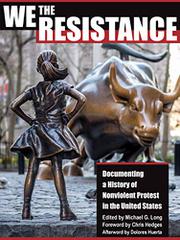
A highly relevant, inclusive collection of voices from the roots
of resistance.
What are some of the precursors for the resistance movements
that continue to gain momentum today? Editor Long (Religious Studies and Peace
and Conflict Studies, Elizabethtown Coll.; Peaceful Neighbor:
Discovering the Countercultural Mister Rogers, 2015, etc.) collects an
inspiring group of voices who have actively resisted the status quo, from the
earliest dissent among Quakers in the historic petition against intolerance
known as “The Flushing Remonstrance” to a March 2018 editorial entitled
“We Do Not Want a Wall,” by San Diego immigration attorney Dulce Garcia. Long
emphasizes that the collection “aims to document nonviolent protests that have
been leftist—socially, politically, and economically—within the context of U.S.
history.” Eschewing coverage of rallies by the Ku Klux Klan and those
targeting Roe v. Wade, for example, the editor includes protests
that promoted the abolition of slavery, the right to “free love and unregulated
sex,” the rights of women and those disenfranchised, the conservation of
animals, the elimination of police brutality, and so on. While there are
documents by a few iconic names, such as Henry David Thoreau, Angela Y. Davis,
and Naomi Klein, Long has left out some big names like Martin Luther King Jr.
for “practical reasons”—i.e., securing rights to his work is difficult and
expensive. Yet the result of showcasing less-well-known voices is added
richness, underscoring what legendary activist Dolores Huerta notes is largely
the impetus of people from “humble backgrounds” who “shoulder[ed] their way up
from the bottom.” Many of the included pieces shine: Abenaki leader Loron Sauguaarum’s
1727 plainspoken document “I Have No King” explaining his honest understanding
of a treaty made with the crafty English negotiators; ex-slave narratives such
as Underground Railroad stationmaster Jermain Wesley Loguen’s “I Won’t Obey
It!”; Margorie Swann’s autobiographical 1959 “Statement on Omaha Action”
delineating her pacifist stance; and the 2015 “Eleven Reasons to Close
Guantánamo” by Naureen Shah of Amnesty International USA, among many others.
Empowering words to challenge, confront, and defy.





Add comment