
 kirkusreviews.com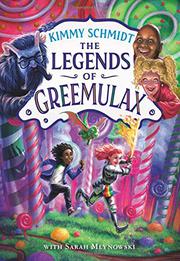
This “debut” blends satire and
allegory as well as TV characters and literature.
The horror of masculinity in the
violently gender-segregated world of Patrick Ness’ Chaos Walking trilogy meets
the early feminist-separatist vision of Charlotte Perkins Gilman’s Herland (1915). Set that strange fan fiction
in a Candyland-scape, and you’ve got the branded television content that is
this title. It opens with 12-year-old Penn (black, according to the cover
illustration) wondering when he will turn into a Grabagorn, “enormous and
strong, with icy blue skin and a set of horns.” Penn lives in a desolate land
without women, who apparently were all killed by dragons. But then he discovers
three girls caught in a trap and learns that the girls and women haven’t been
killed but in fact escaped. Penn and his new friend Kristy (white on the cover)
go on an adventure to restore gender equality through mindfulness and
communication. Credited ghostwriter Mlynowski tries to deliver a very specific
message about feminism while reinforcing all sorts of unhelpful stereotypes.
Apparently men left to their own devices are flatulence-obsessed brutes incapable
of asking for directions, and women are naturally cooperative, anger-averse
nurturers prone to uptalking. A cameo referencing a gay character from the TV
series Unbreakable Kimmy Schmidt
implies that gay men are a kind of third sex who prefer the company of women.
A perky marketing ploy—but not a piece
of literature. (Fantasy. 8-11)





Add comment