
 kirkusreviews.com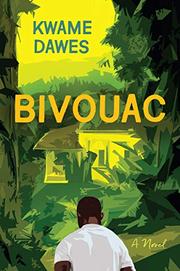
An examination of grief and politics
in a deftly written novel set in 1980s Jamaica.
Periodically throughout this slim
novel, George Ferron Morgan recalls with jaded wit the indignities of being a
ghost editorial writer at a second-rate newspaper, working with hacks. The
political climate which once leaned left has taken a hard right, instilling a
general complacency among the politically disengaged and fueling George’s
paranoia as he wonders what punishment will be meted out for his earlier
well-known radical activism. Overshadowing his cynicism is his undignified and
suspicious death. As if that weren’t enough, his son, Ferron, tortured by
grief, annoyance, or his chronic dyspepsia—it’s hard to tell which—is given the
task of transporting his father’s body home in the back seat of his Volvo.
George’s voice, in sections called “Unpublished notes of
George Ferron Morgan,” appears between the Ferron-driven chapters in which
Ferron, his family, and his father’s friends mourn George and debate the
circumstances of his death. The book gets bogged down with Ferron’s dalliances
with a trio of women inexplicably willing to put up with his sudden
disappearances, dishonesty, and guilt. While the backdrop of Jamaica’s
political climate is presumably meant to lend breadth, it is uncomfortably
compact, making the novel read like an overlong short story or an
underdeveloped historical novel. What rescues the book is Dawes’ poetic ear, as
when George recalls his days at Jamaica College with sensory acuity: “I
remember…the sense of cold water, which was partly smell and partly touch…the
smell of games: linseed oil on cricket bats and the chalky smell of composition
balls and then later the smell of leather balls.” A bold surprise occurs late
in the book as it switches from prose to a near play-script format, when Ferron
returns to an old family home, imagining an encounter with his old man as he
sinks into the full spectrum of grief and contemplates ancestral lives passed.
If Dawes had followed the
conventions of the historical novel, it might have made his book more
accessible, but it should be read if only to savor the author’s astonishing
prose.




Add comment