
 kirkusreviews.com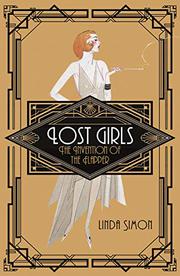
A fresh, unique view of the iconic flapper.
In her latest book, Simon (Emerita, English/Skidmore
Coll.; The Greatest Shows on Earth: A History of the Circus, 2014,
etc.) digs beneath stereotype to provide an illuminating cultural study of “a
new being” who “burst defiantly on to the cultural stage: skinny, young,
impetuous and flirtatious.” At this time, both Britain and the United States
had more women than men, which helped empower women to, among other things,
choose their own husbands—or even remain unmarried. Suddenly, women wanted more
education than just art, embroidery, and music. They wanted the freedom to go
out without a chaperone and rid themselves of constricting clothes like
corsets. The end of the Victorian era saw the rumblings of female revolution
against, among other thoughts, the belief that girls who taxed their brains
took energy from their reproductive organs. Many felt threatened, frightened of
changes in the status quo. The beginnings of the suffrage movement sparked a
flame in womanhood. Though their fight was denigrated, change was inevitable.
Flappers were a bit of an aberration in that they were perennial adolescents,
seized “with the everlasting, inexorable desire to be girls.” As Simon ably
shows, psychologist G. Stanley Hall painted them as fresh, wild, naïve,
coquettish, innocent, and with little intellect. He believed that “a woman
should be educated enough to understand her husband’s world, but not enough to
participate in the world.” Additionally, the new silent movies, along with
other trends in popular culture, showed strong, independent women. From J.M
Barrie to Scott Fitzgerald to H.L. Mencken, from 1890s rebels to 1920s
flappers, Simon cogently outlines a significant period of cultural life in the
U.S. and Britain.
A fascinating history of 30 years of trailblazing women who
“invented a new image and identity…in a culture where they were continually
warned about the real losses…that they might suffer if they acted upon their
secret needs and desires.”






Add comment