
 kirkusreviews.com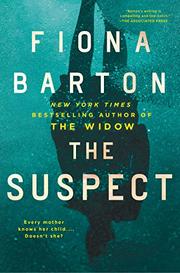
When two girls traveling in Thailand turn up dead in a suspicious
fire, journalist Kate Waters follows the story without disclosing a hidden
agenda.
Kate’s son, a former golden
boy, dropped out of school and traveled to Thailand two years prior, and he’s
been in sporadic touch since. Coincidentally, it turns out that he was present
at the same guesthouse on the night the girls died. Sidelined because of her
conflict of interest, Kate continues to investigate, as does DI Bob Sparkes, a
compassionate policeman distracted by the impending death of his wife. Which
leads one to wonder: When did all thriller writers begin to fashion themselves
as psychologists? There’s a dead giveaway to any possible plot twist—a
character whose face or eyes is described as “blank.” In Barton’s (The
Child, 2017, etc.) book, to be fair, it takes almost 300 pages to
reach this moment, and up until that point, she creates quite a bit of
narrative interest by giving voice to the victims in addition to the many
people involved in the investigation—driven reporters, bereaved parents, and
very human policemen. But once the killer is clearly outed, even though it
takes another 100 pages for all the pieces to fall into place, the novel
quickly loses steam. Even a final moral conundrum that should immediately
freeze the blood of any parent seems overly constructed rather than shocking.
By that point, it had become tiresome reading about most of the characters and
their shifty relationships to the truth. “No one is to be believed ever,” seems
to be a major takeaway. Oh, and P.S., don’t let your kids run wild in Thailand.
This has the potential to be a thoughtful thriller with an interesting
setting, but Barton is too willing to cater to expectations—short chapters,
familiar clues, and stereotypical villains.





Add comment