
 kirkusreviews.com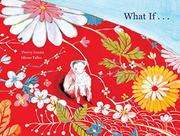
“A child sat on his island, looking
out at the world and thinking.”
He sees a world full of miseries:
war, famine, hegemony, pollution, and sorrow. For each, he imagines a
transformation: “What if we lasso the clouds and bring rain to the
desert?…What if we wash [the ocean] clean?” In Tallec’s painterly scenes, the
child is defined by swift pencil lines, the only color to him his red cheeks
and pants—the rest is white. He is placed on negative space, swaths or spots of
white that share the spreads with the painted depictions of destruction and evil.
It’s a novel visual approach to a familiar theme, subverting what readers may
expect by making the reality appear more concrete than the possibility and
mostly leaving the what-if’s in readers’ imaginations. Some spreads are at once
more pointed and more obscure than others: When the child sees “the powerful
gorging, ordering, shouting, and decreeing,” he stands in front of a TV set
tuned to a smug-looking politician and thinks, “We have to open their eyes or
drive them out.” Open the eyes of the two people watching from the couch? Drive
out the powerful? Exactly who those pronouns refer to can spawn a conversation
all by itself. At the end, readers learn why the child appears so ephemeral: He
doesn’t yet exist but has decided he has the resolve to be born.
Sobering and provocative. (Picture book. 5-10)



Add comment